
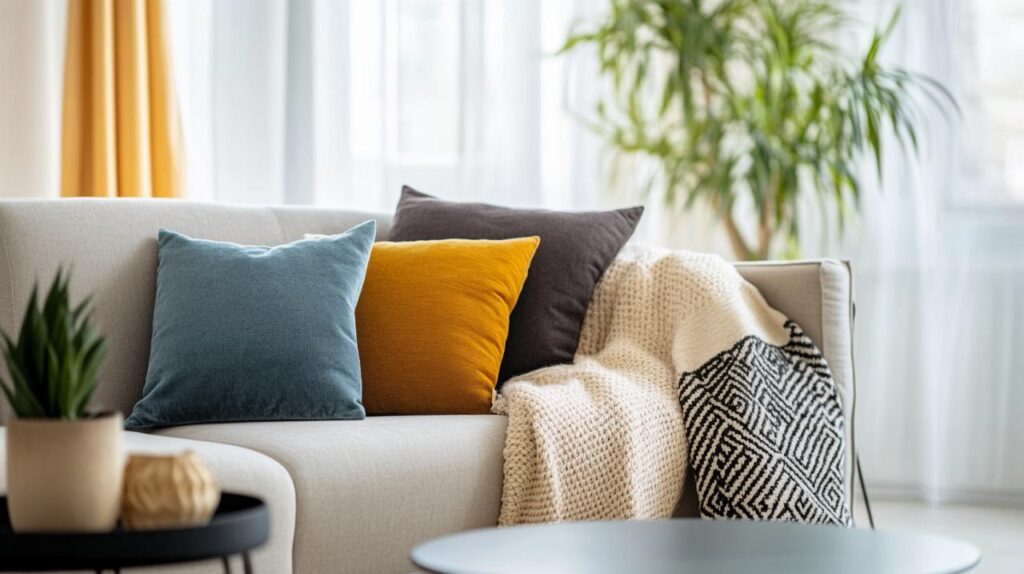
Transforming a living space into a true reflection of personal style requires more than simply purchasing a few decorative items. It involves thoughtful consideration of colour schemes, spatial arrangements, and the subtle interplay of textures and materials that together create an inviting atmosphere. Whether you are refreshing a single room or reimagining an entire property, understanding the fundamental principles of interior design can make all the difference between a space that feels disjointed and one that exudes harmony and character.
Creating a cohesive colour palette throughout your home
One of the most effective strategies for achieving visual unity in a residence is establishing a consistent colour palette that flows seamlessly from one room to the next. This approach does not require painting every wall the same shade, but rather involves selecting a core palette of colours that complement each other and can be woven throughout the home in varying proportions. Many interior designers recommend beginning with neutral tones as a foundation, which allows for greater flexibility when introducing bolder accent colours. The psychology behind colour selection is equally important, as different hues can evoke specific moods and influence the overall atmosphere of a space. Cooler tones such as blues and greens tend to promote calmness and relaxation, making them ideal for bedrooms and bathrooms, while warmer shades like terracotta and ochre can infuse living areas with energy and warmth.
Selecting complementary shades for different rooms
When choosing colours for individual rooms, it is essential to consider both the function of the space and the amount of natural light it receives. North-facing rooms, which often receive cooler, indirect light throughout the day, benefit from warmer tones that counterbalance the lack of sunshine. Conversely, south-facing spaces can handle cooler colours without feeling sterile. A practical method for ensuring harmony is to select two or three main colours and use them in different proportions across various rooms. For instance, a soft grey might dominate the living room walls, appear as an accent in the hallway through furnishings, and reappear in the kitchen as cabinet hardware or textiles. This repetition creates a sense of continuity that guides the eye naturally from one area to another. Additionally, considering the colour of flooring and permanent fixtures ensures that wall colours do not clash with existing elements. Hardwood floors in warm honey tones pair beautifully with cream and sage, while cooler grey flooring can be enhanced by crisp whites and soft blues.
Using Accent Colours to Add Character and Depth
Once a foundational palette is established, accent colours become the tools for injecting personality and visual interest into a home. These bolder hues can be introduced through textiles, artwork, and decorative accessories without committing to a full wall of vibrant colour. A well-chosen accent colour can draw attention to architectural features, create focal points, and even influence the perceived proportions of a room. For example, a deep emerald cushion on a neutral sofa or a mustard throw draped over a chair can transform the entire feel of a sitting room. The key is to use these accent colours sparingly and with intention, ensuring they complement rather than compete with the primary palette. Interior designer Adam Bray suggests grouping objects by colour or material to create cohesive vignettes that feel curated rather than cluttered. When experimenting with accent colours, it is also beneficial to consider the interplay of patterns and textures, as a patterned cushion in complementary tones can add depth without overwhelming the senses. Continuously editing and rotating decorative pieces allows for seasonal refreshes and prevents the space from feeling stagnant, a technique recommended by interior stylist Gillian Lawlee for maintaining a dynamic yet harmonious environment.
Maximising space with clever furniture arrangements
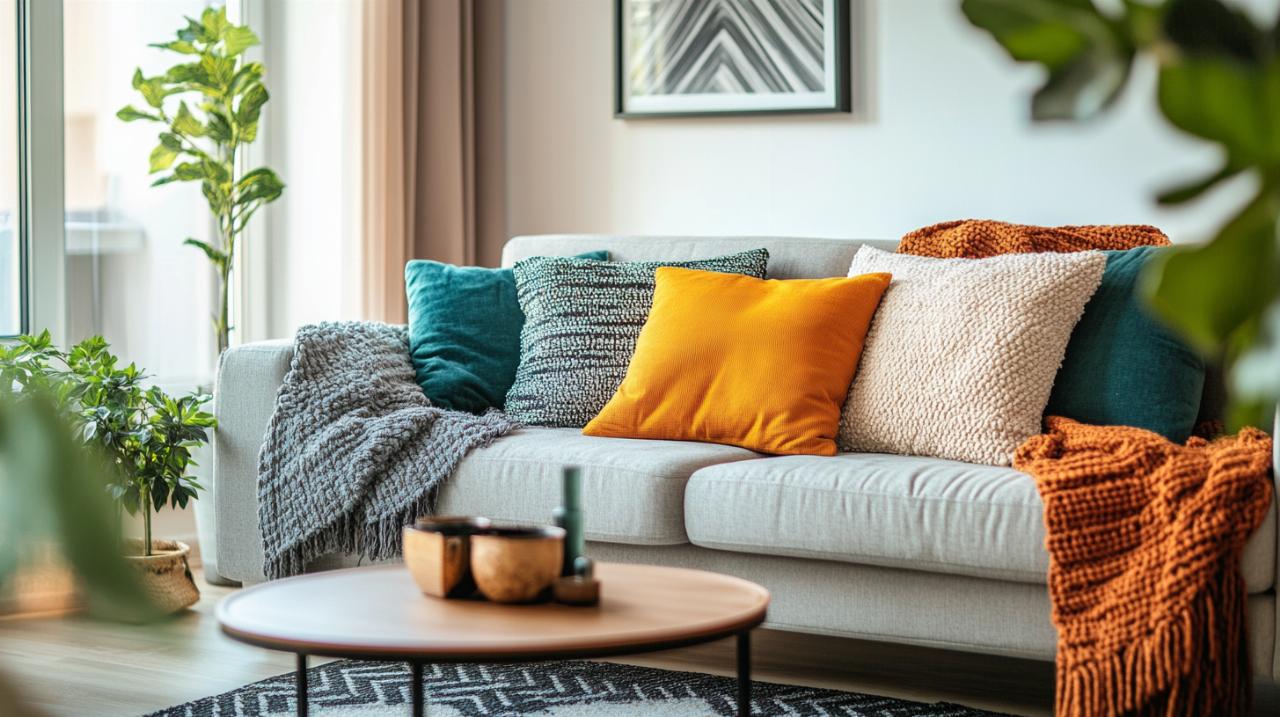
Beyond colour, the arrangement of furniture plays a crucial role in determining how functional and inviting a space feels. Thoughtful placement can enhance the flow of movement, highlight architectural features, and even make rooms appear larger than they truly are. The principles of scale and proportion are paramount here, as oversized furniture in a small room can make the space feel cramped, while undersized pieces in a large room may appear lost and disconnected. Before purchasing new furniture, it is advisable to measure the room carefully and create a floor plan, either on paper or using digital tools, to visualise how different configurations might work. This planning stage is invaluable for avoiding costly mistakes and ensuring that each piece serves both a functional and aesthetic purpose.
Strategic Placement for Better Flow and Functionality
The way furniture is arranged can significantly impact how a room is used and experienced. In living rooms, for instance, positioning seating to encourage conversation while maintaining clear pathways is essential. Placing a sofa facing a fireplace or a large window creates a natural focal point, while chairs angled slightly towards the centre of the grouping invite interaction. Avoiding the common mistake of pushing all furniture against the walls can actually make a room feel more spacious and intimate, as floating pieces away from walls defines distinct zones within an open-plan area. In dining rooms, ensuring adequate space around the table for chairs to be pulled out comfortably is a practical consideration that is often overlooked. Lighting design also plays a critical role in functionality, and sorting out both natural and artificial light sources early in the planning process can prevent issues later. Layering different types of lighting, such as ambient ceiling fixtures, task lighting for reading areas, and accent lighting to highlight artwork, creates a versatile and well-lit environment that adapts to different times of day and activities.
Multi-purpose furniture solutions for smaller dwellings
In properties where space is at a premium, multi-purpose furniture becomes an invaluable asset. Pieces that serve more than one function can dramatically increase the usability of a room without contributing to clutter. Ottoman storage benches, extendable dining tables, and sofa beds are classic examples, but contemporary design has introduced even more innovative solutions. Wall-mounted desks that fold away when not in use, beds with built-in storage drawers, and modular shelving systems that can be reconfigured as needs change all offer flexibility in compact living environments. When selecting such furniture, it is important to prioritise quality and durability, as these pieces will likely see frequent use and need to withstand regular adjustment. Additionally, considering the visual weight of furniture is crucial in smaller spaces; lighter materials and leggy designs allow light to flow underneath and around pieces, creating an airier feel. Mirrors strategically placed opposite windows can amplify natural light and give the illusion of greater depth, while keeping colour palettes lighter and more neutral prevents the space from feeling closed in. Incorporating tips for home decoration that emphasise both form and function ensures that even the most modest of dwellings can feel spacious, organised, and distinctly personal. Embracing trial and error, as designer Tobias Vernon advises, allows homeowners to experiment with different arrangements until they discover the perfect balance that suits their lifestyle and aesthetic preferences.