

As winter tightens its grip across the United Kingdom, keeping pathways, driveways and car parks safe becomes a pressing concern for homeowners, businesses and local authorities alike. Gritting salt remains one of the most reliable and cost-effective tools available for snow and ice control, yet its effectiveness depends entirely on how, when and where it is applied. Whether you are managing a residential driveway or overseeing a large commercial premises, understanding best practices for de-icing salt can make the difference between a safe surface and a hazardous one.
Key takeaways
- Gritting salt prevents ice formation by lowering the freezing point of water and disrupting the bond between ice and pavement surfaces.
- For optimal effectiveness, salt should be applied as an anti-icing measure one to two hours before freezing precipitation begins, rather than after ice has already formed.
- Choosing the right salt is crucial: rock salt is cost-effective for roads, while pure white salt is better for sensitive surfaces, and treated salt offers improved adhesion.
- Applying a consistent, light layer using a calibrated spreader is more efficient and environmentally friendly than over-salting, which can damage surfaces and surrounding vegetation.
- Pavement temperature is the key factor in de-icing performance, and specialized products like calcium chloride may be necessary during extreme cold snaps.
- To maintain a functional supply, gritting salt must be stored in dry, airtight conditions to prevent moisture absorption and clumping.
- Businesses and homeowners should proactively position grit bins in high-risk areas like slopes and entrances to ensure materials are readily available throughout the winter.
Why Gritting Salt Is a Winter Essential for Roads and Pathways
How salt prevents ice formation and keeps surfaces safe
Salt works by lowering the freezing point of water, which disrupts the bond between ice and the surface beneath it. When applied correctly, it prevents snow and frost from adhering to pavement, making subsequent clearing far quicker and more straightforward. This principle, known as anti-icing, is at the heart of effective ice management. Rather than waiting for ice to form and then attempting to break it up, the smarter approach is to treat the surface beforehand so that bonding never occurs in the first place. It is worth noting that pavement temperature, not air temperature, is the determining factor in how well a de-icing agent performs, a crucial distinction that is often overlooked.
The Key Benefits of Gritting Salt for Pedestrians and Drivers Alike
The practical advantages of using gritting salt extend to everyone who uses a road, path or car park during icy conditions. For pedestrians, treated surfaces dramatically reduce the risk of slips and falls, particularly around steps, slopes and building entrances where ice tends to accumulate most readily. For drivers, safe winter driving depends on traction, and a well-gritted surface can prevent skids and reduce stopping distances considerably. Beyond individual safety, consistent winter property maintenance through gritting demonstrates a duty of care that is especially important for businesses, schools and landlords who have legal obligations to those using their premises.
Choosing the Right Type of Gritting Salt for Your Needs
Rock salt, white salt, and treated salt: what sets them apart
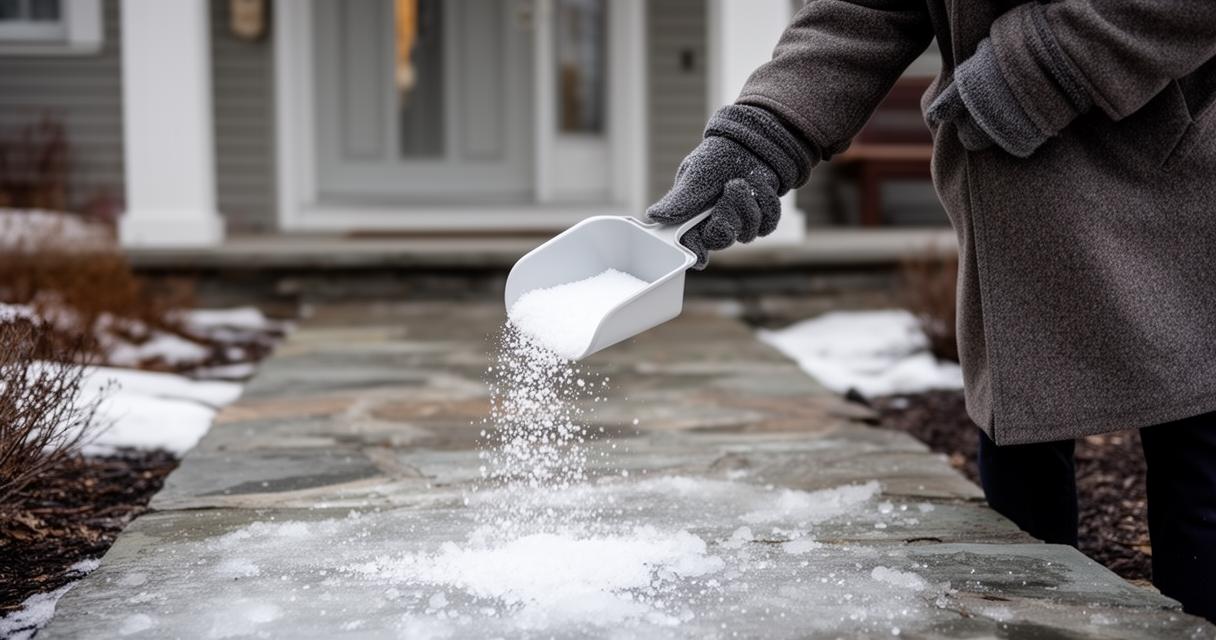
Not all gritting salts are created equal, and selecting the right product for your specific circumstances is essential. Rock salt is the most widely used option and is well-suited to general road gritting, though it can contain iron impurities that leave rust marks and scratches on certain surfaces, particularly resin driveways. Pure white de-icing salt is a refined alternative that works effectively in sub-zero temperatures and leaves no iron staining, making it the preferred choice for decorative or sensitive surfaces. Treated salt, often coated with a liquid brine or inhibitor, is designed to adhere to the surface more effectively and resist being scattered by wind or traffic, improving overall efficiency of grit application.
Which gritting salt works best in extreme cold conditions
The effectiveness of de-icing agents varies significantly with temperature. Standard rock salt begins to lose its effectiveness at around 15 to 20 degrees Fahrenheit, which in Celsius terms is well below the typical UK winter low, but during prolonged cold snaps, this limitation can become relevant. Calcium chloride-based products are known to remain active at considerably lower temperatures and may be worth considering for exposed, high-risk areas such as shaded driveways or north-facing steps. For most UK conditions, however, high-quality white salt or treated rock salt will serve the majority of domestic and commercial needs perfectly well throughout the season.
How to Apply Gritting Salt Safely and Effectively
Timing Your Application: Before or After a Frost?
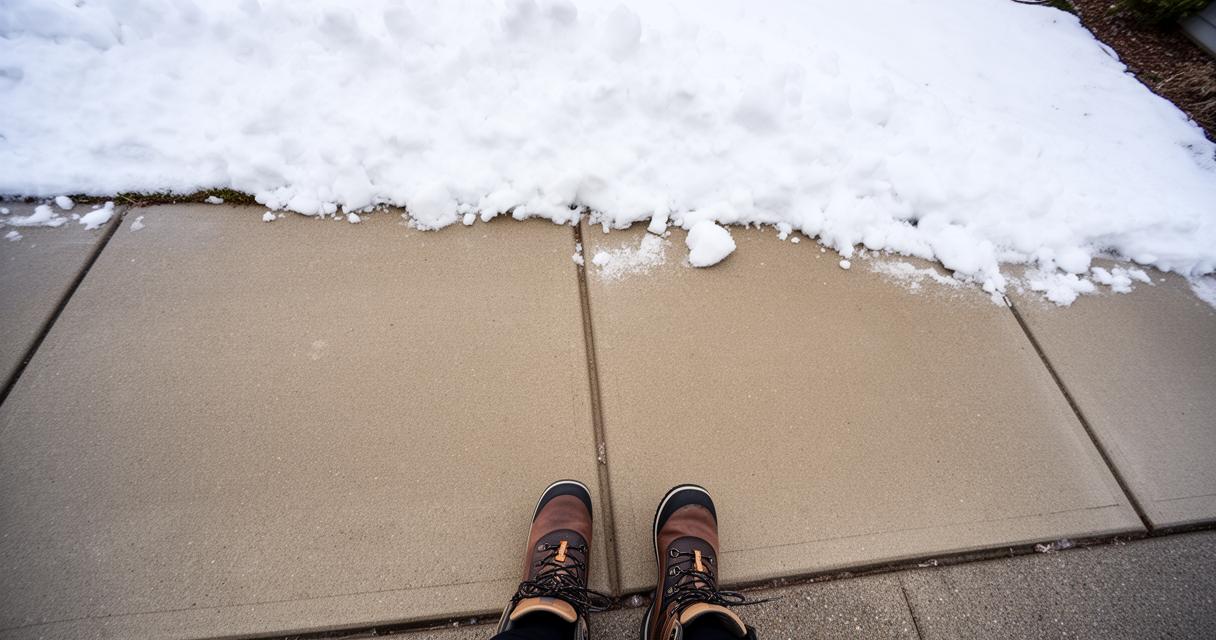
Timing is arguably the single most important factor in successful pre-salting driveways and other surfaces. Applying salt before precipitation arrives (a technique known as pre-treatment or anti-icing) prevents snow and ice from bonding to the pavement in the first place. The ideal window for this approach is roughly one to two hours before freezing precipitation is expected, though in suitable dry and cold conditions, treatment can be carried out up to 24 hours in advance. Applying salt too early risks it being washed away by rain, whilst applying it too late means the ice has already formed, requiring considerably more product and effort to shift. Always check a credible weather forecast and ensure the surface is clean before application, salt applied over existing snow or slush will not perform as intended.
It is equally important to avoid pre-salting driveways when significant rain is forecast or when temperatures are expected to remain above freezing, as the treatment will simply be diluted and washed away, achieving nothing. The correct sequence is to monitor the forecast carefully, treat the surface at the right moment, and then remove any accumulated snow promptly so that the treated surface can do its job effectively.
Spreading Techniques to Get the Most Out of Your Gritting Salt
How you spread salt is just as important as when you spread it. For winter driveway maintenance, a light, even application is far more effective than a heavy, uneven one. Over-loading a spreader or scattering handfuls of salt haphazardly leads to pooling in some areas and bare patches in others. Where possible, use a calibrated salt spreader to achieve a consistent distribution across the surface. For manual application, a steady sweeping motion from side to side helps to cover the ground evenly. Focus particular attention on high-risk areas (steep inclines, shaded sections, and spots that receive little direct sunlight) as these are where ice is most likely to persist.
Common mistakes to avoid when using gritting salt

Over-salting: why using too much can be counterproductive
One of the most common errors in snow removal tips and winter maintenance is the tendency to apply more salt than necessary, in the belief that more product means better results. In practice, over-salting wastes material, increases costs, and does not improve safety beyond a certain point. Excess salt runs off into drains and surrounding soil, contributing to environmental contamination of water systems. It can also damage concrete, brickwork and vehicle paintwork when tracked indoors or onto roads. The goal should always be to use the minimum effective quantity needed to achieve a safe, trafficable surface, no more.
Protecting nearby plants, surfaces, and drainage systems
Salt and vegetation are a poor combination. Standard rock salt in particular can be damaging to grass, garden plants and hedgerows when it leaches into the soil or is splashed onto foliage during wet conditions. Frost protection for your garden should be considered alongside your gritting strategy, where possible, avoid spreading salt near planted areas, or use a sand and salt mixture, which offers improved grip without the same level of chemical impact. Sand alone improves traction but does not melt ice, making a blended mix a sensible compromise for areas adjacent to planting. Keep drainage channels clear of salt deposits, and rinse surfaces down with clean water once winter has passed to remove any lingering residue that could cause ongoing damage.
Storing and managing your gritting salt supply through winter
Best Practices for Keeping Your Salt Dry and Ready to Use
Proper storage is fundamental to maintaining a usable supply of de-icing salt throughout the season. Salt is hygroscopic, meaning it readily absorbs moisture from the air, and if stored incorrectly it will clump together and become difficult to handle or spread. For domestic use, small bags should be kept in an airtight container in a well-covered, dry location, a garage or garden shed is ideal. The good news is that salt does not lose its de-icing properties if stored correctly, meaning any unused stock from one winter can be kept safely for the following season.
For larger quantities, proper salt storage requires a little more planning. Bulk supplies should be stored on an impermeable surface such as asphalt or concrete to prevent seepage into the ground, and the pile should be surrounded by appropriate containment material to minimise spills. Keep the storage area well away from drainage channels to avoid runoff contaminating watercourses. Containers and spreaders should be washed thoroughly after each use to prevent caking and corrosion, extending the life of your equipment considerably.
How to Plan Ahead and Maintain an Adequate Stock All Season Long
Effective winter storage solutions and supply management begin before the first frost arrives. Setting up a grit bin in autumn (positioned at key locations such as front entrances, steps, slopes, car parks and footpaths) ensures that salt is always on hand when it is needed most. A 150-litre bin is considered suitable for most apartment buildings, schools and small businesses, though larger premises may require multiple units placed at different points around the site. Materials stored in the bin must be dry to prevent them from freezing into solid lumps, so a closed, frost-resistant plastic bin is the recommended option.
Planning your stock levels is equally important as part of a broader winter emergency kit strategy. Consider the size of the area you need to treat, the likely duration of the winter period, and any particularly exposed or high-traffic zones that may need more frequent attention. As part of a comprehensive approach to preventing ice buildup, also keep a snow shovel to hand, designate responsibility for gritting within your household or organisation, and assess road and path conditions regularly throughout the season. By combining the right product, correct timing, sensible application rates and good storage habits, you can manage winter conditions confidently and keep all those who rely on your property safe throughout the colder months.